Orthodontic Retention & Retainer Programs
Retention is more than the final stage… It is an opportunity to protect the clinical result, strengthen the patient relationship, and extend the value of the orthodontic experience long after active treatment ends.
A strong orthodontic retention and retainer program creates clarity for patients, consistency for the team, and a more intentional long-term relationship between the practice and the families it serves.
Why Orthodontic Retention Matters
Patients invest significant time, trust, and resources into orthodontic treatment.
Once treatment is complete, retention becomes the system that helps protect that investment.
Without a clear retention process, patients may be unsure about:
How often retainers should be worn
When retainers should be replaced
What to do if a retainer is lost or damaged
When they should return to the practice
What changes in tooth position should be addressed
Whether replacement retainers are included or require an additional fee
A strong retention program removes that uncertainty.
It gives patients a clear plan and gives the practice a consistent way to support long-term stability.
Retention Is Part of the Patient Experience
The patient experience should not end on debond day.
In fact, the transition out of active treatment is one of the most important opportunities to reinforce the value of the care patients have received.
A thoughtful retention experience can help patients feel:
Supported after treatment
Confident in how to protect their smile
Connected to the practice
Clear about future expectations
Comfortable returning when they need help
The goal is to make retention feel like a continuation of care rather than an afterthought.
The Value of a Structured Retainer Program
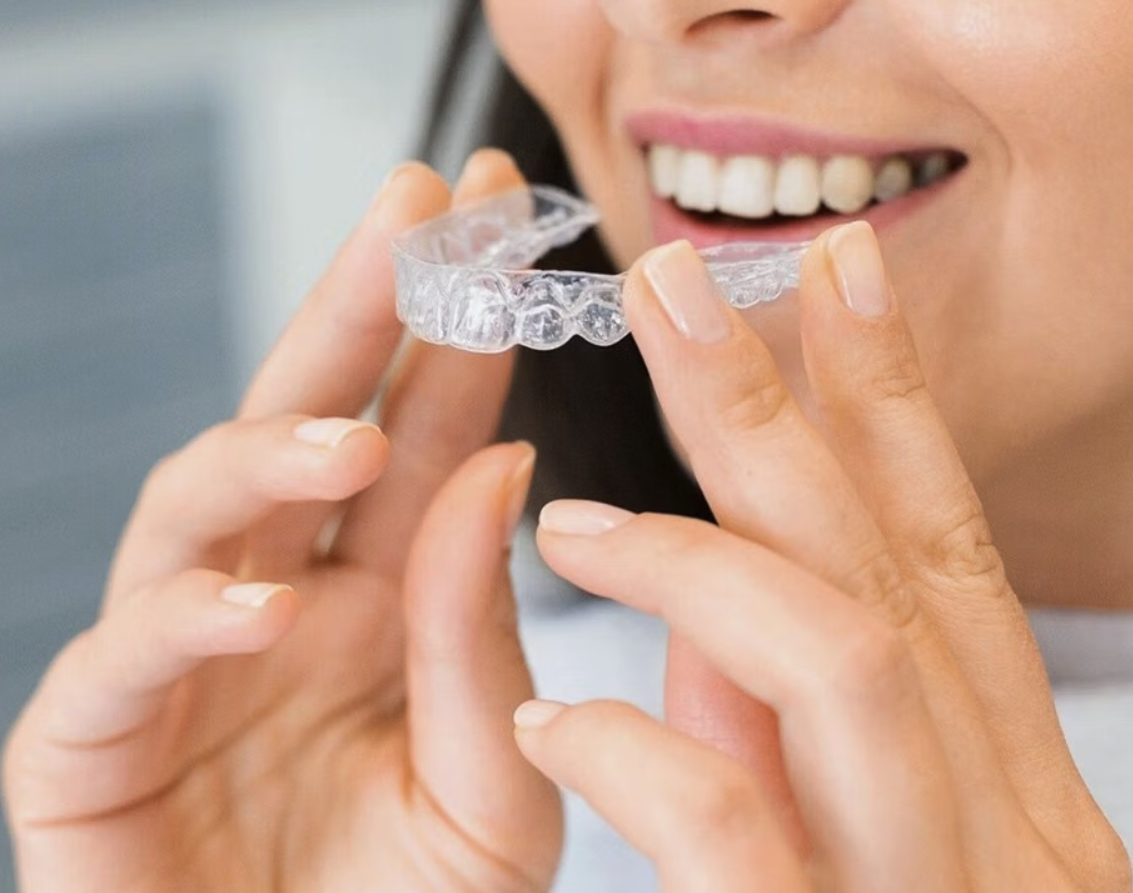
A well-designed retainer program that is simple and accessible for your patients can benefit both the patient and the practice.
Greater Patient Clarity
Patients should understand exactly what happens after treatment.
Clear communication around wear, replacement, follow-up, and long-term expectations can reduce confusion and frustration.
More Consistent Team Communication
Every team member should be able to explain the retention program the same way.
When front desk, clinical, treatment coordination, and doctor communication are aligned, patients receive a more consistent experience.
Stronger Long-Term Patient Relationships
Retention creates an opportunity to stay connected with patients after active treatment.
That ongoing relationship can support patient loyalty, future family treatment, reviews, referrals, and continued trust in the practice.
Improved Retainer Replacement Process
Lost, damaged, or worn retainers are common.
A clear replacement system helps the team respond consistently and helps patients know what to expect before a problem occurs.
Additional Practice Value
Depending on the model used, retainer programs may also create an opportunity for recurring or extended revenue while providing patients with continued access to replacement retainers and support.
The financial component should never replace the clinical purpose of retention, but it can support a program that is easier to maintain and more valuable for patients.
Common Retention Program Challenges
Many orthodontic practices provide retainers but do not have a clearly defined retention system.
Common challenges include:
Inconsistent retainer instructions
No defined replacement policy
Different team members quoting different fees
Patients unsure when to return
Taking up staff time to make retainers / or delays in getting the retainers back to the office to then get to the patient.
No process for long-term follow-up
Retainer replacement handled reactively instead of intentionally.
Limited communication about the value of retention
Families leaving the practice without understanding their long-term responsibilities
These gaps can create frustration for both patients and the team.
What Should an Orthodontic Retainer Program Include?
Every practice may structure retention differently, but a strong program should clearly define several key areas.
Retainer Delivery
Patients should understand:
What type of retainer they are receiving
How and when it should be worn
How to clean and store it
What to do if it does not fit properly
What to do if it is lost or broken
Replacement Expectations
The practice should establish a consistent policy around replacement retainers.
That may include:
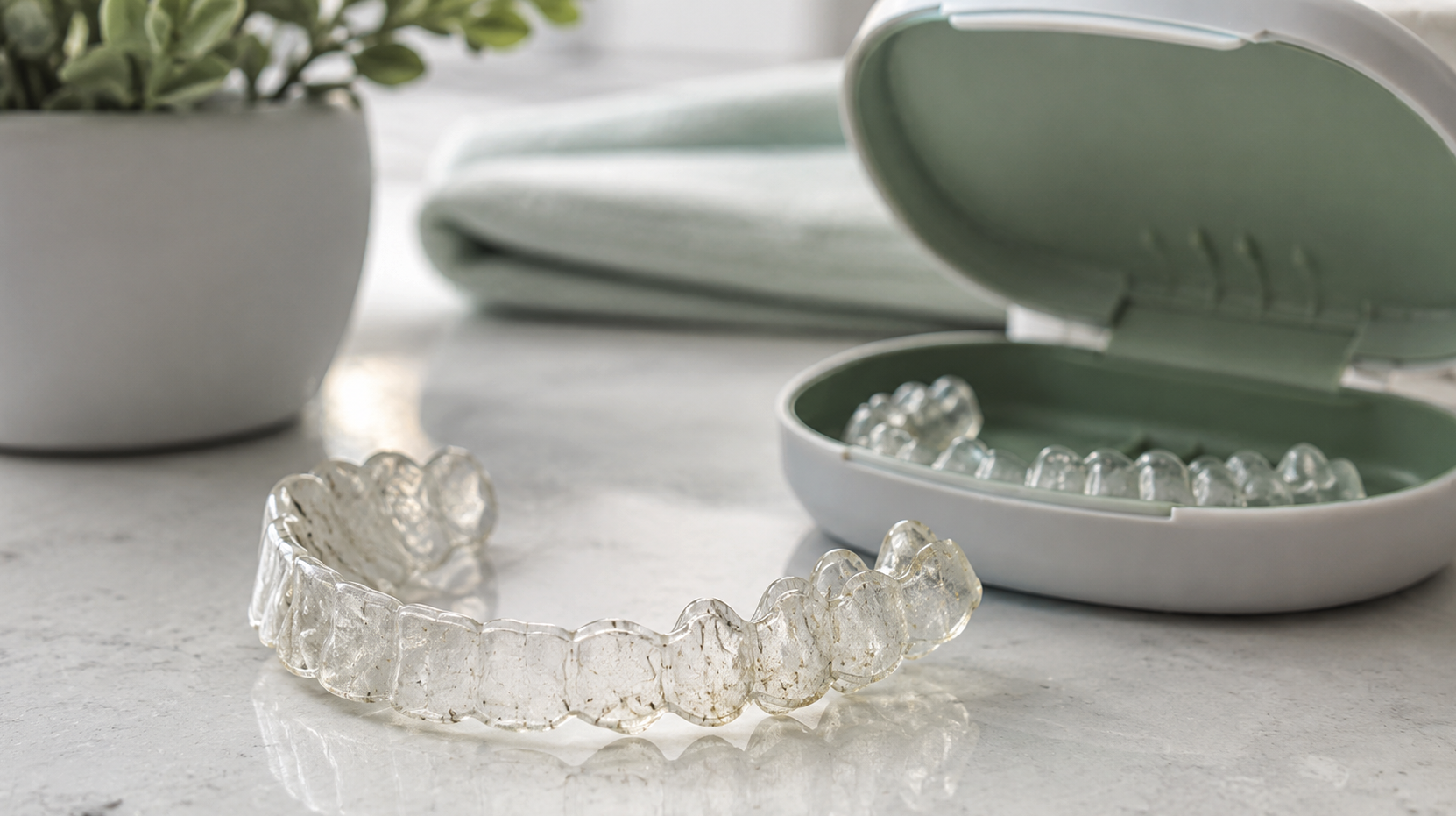
When to replace the retainers, since these should be replaced just like a toothbrush gets replaced.
Replacement fees
Included replacement retainers
Retainer membership or subscription programs
Remake policies
Rescan requirements
Replacement frequency
Whatever the model, the team should be able to explain it confidently and consistently.
Retention Follow-Up
Practices should determine how long patients remain under active retention follow-up and what those visits are intended to accomplish.
This may include monitoring:
Retainer fit
Tooth stability
Oral habits
Growth or developmental changes
Patient compliance
Need for replacement retainers
Long-Term Communication
Patients should understand what happens when formal retention visits end.
A strong transition may include instructions for ongoing wear, replacement, future concerns, and how to reconnect with the practice if needed.
Retention Can Support Lifetime Patient Value
A patient’s relationship with an orthodontic practice does not have to end when braces or aligners come off.
Retention creates opportunities to remain connected with families over time.
That connection may lead to:
Sibling treatment
Adult retreatment
Additional family referrals
Reviews
Retainer replacement
Continued loyalty to the practice
Long-term brand advocacy
When approached intentionally, retention becomes part of the full patient journey rather than simply the final clinical step.
How AKO Experience Helps
AKO Experience works with privately owned orthodontic practices to evaluate and strengthen the systems surrounding retention and retainer programs.
Support may include:
Reviewing the current retention process
Clarifying patient communication
Developing consistent retainer replacement policies
Improving team communication and education
Evaluating retention appointment structure
Building systems
Identifying opportunities for extended retainer programs
Improving the transition from active treatment into retention
Aligning the retention experience with the overall patient journey
The goal is not to create the same retention model for every practice.
It is to build a program that is clear, sustainable, valuable to patients, and practical for the team to manage.
Retention Is the Final Impression and a Long-Term Opportunity
Patients may remember the day treatment ended, but they will also remember how supported they felt afterward.
A strong retention program protects more than tooth position.
It protects the patient relationship, reinforces the value of treatment, and gives the practice an opportunity to remain part of the patient’s orthodontic journey for years to come.
What Opportunity May Be Hiding In Your Retention Patients?
Let’s talk about what is currently happening in your practice, where patients may be falling through the cracks, and what could become stronger.
About the Author
Adele Osorio is the founder of AKO Experience and has worked throughout nearly every area of the orthodontic practice, including treatment coordination, front desk operations, internal marketing, practice operations, and leadership. Through AKO Experience, she partners with privately owned orthodontic practices to strengthen teams, systems, patient experience, and sustainable growth.